ENTREPRENEURSHIP & BUSINESS
We're Not Managing to Distribute the Product... But Maybe There's a Solution
4 min read
The most difficult problem we've faced trying to get our production from Finca Amaviora to the people who want to consume it
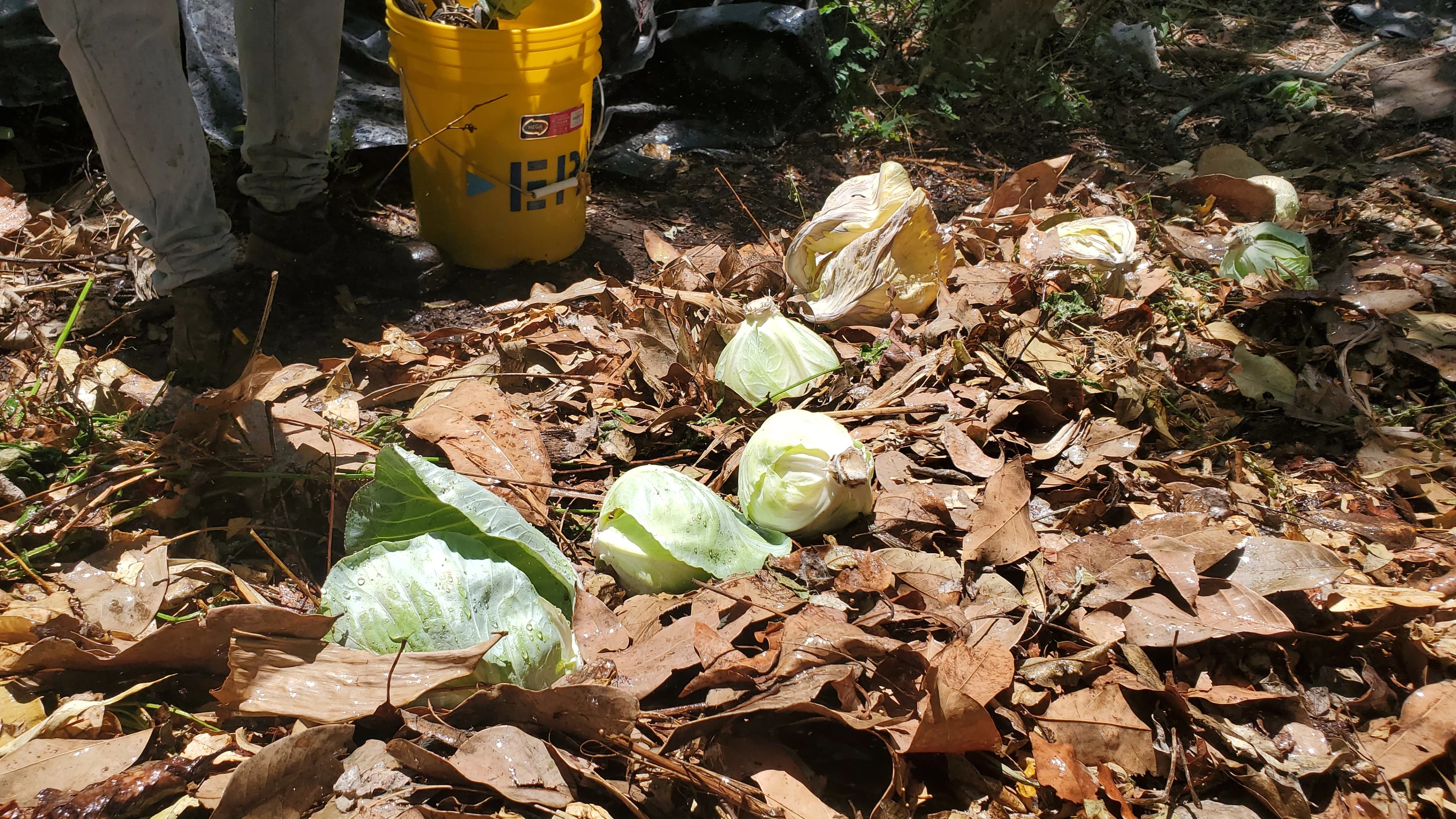
Distributing what you grow: the problem nobody tells you about producing organically
Producing well is a challenge. Distributing what you produce is a completely different one.
This article is about that: about what we've faced trying to get our production from Finca Amaviora to the people who want to consume it, and how we're solving the problem step by step.
What the farm produces
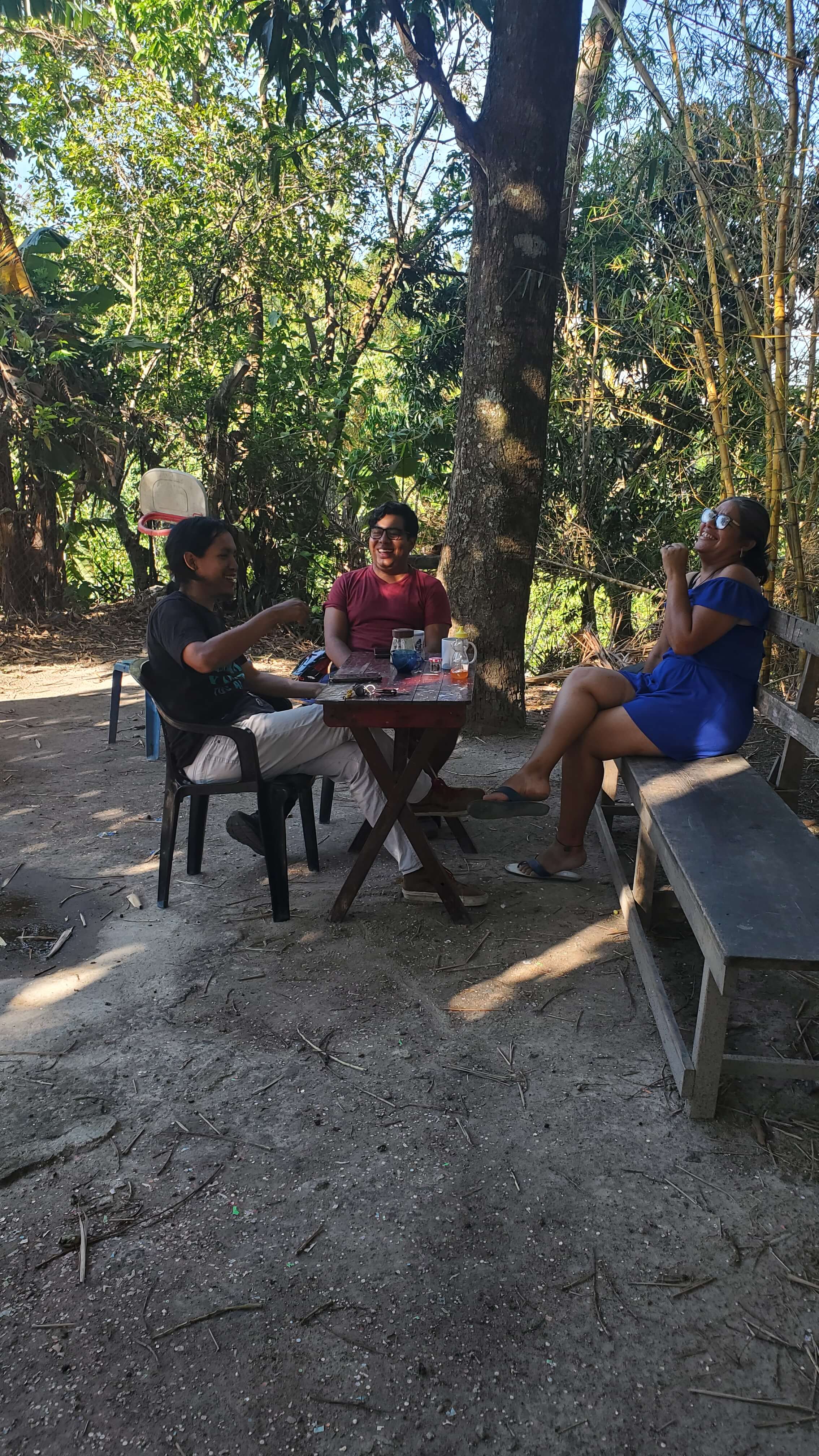
There are two types of production at Amaviora. The ones we actively plant — lettuce, cucumber, tomato, okra, squash, cabbage, corn — and what the land produces on its own: mangoes, pacayas, arrayanes, silk bananas, plantains, sapote, cherries, Japanese cashew.
This second category is huge. And for a long time, we were wasting it simply because we didn't have a system to take advantage of it.
We call it "combing": setting aside one day a week to walk around the entire farm, scan what's available, and harvest it before it goes to waste. It's a simple concept, but implementing it completely changes the equation of what we have to offer.
The transportation problem
Finca Amaviora is located in the municipality of Santo Tomás. It's not inaccessible — it's about 30 to 40 minutes from the city — but the road is winding, with speed bumps, quite nestled among the mountains. It feels far away even though it's not that many kilometers.
The specific problem is this: getting products out of the farm, taking them to a sales point in San Salvador, and returning costs around $20 to $25 in gas, using the farm's pickup truck. When production is still small and irregular, that cost can easily exceed the profits from what you sell.
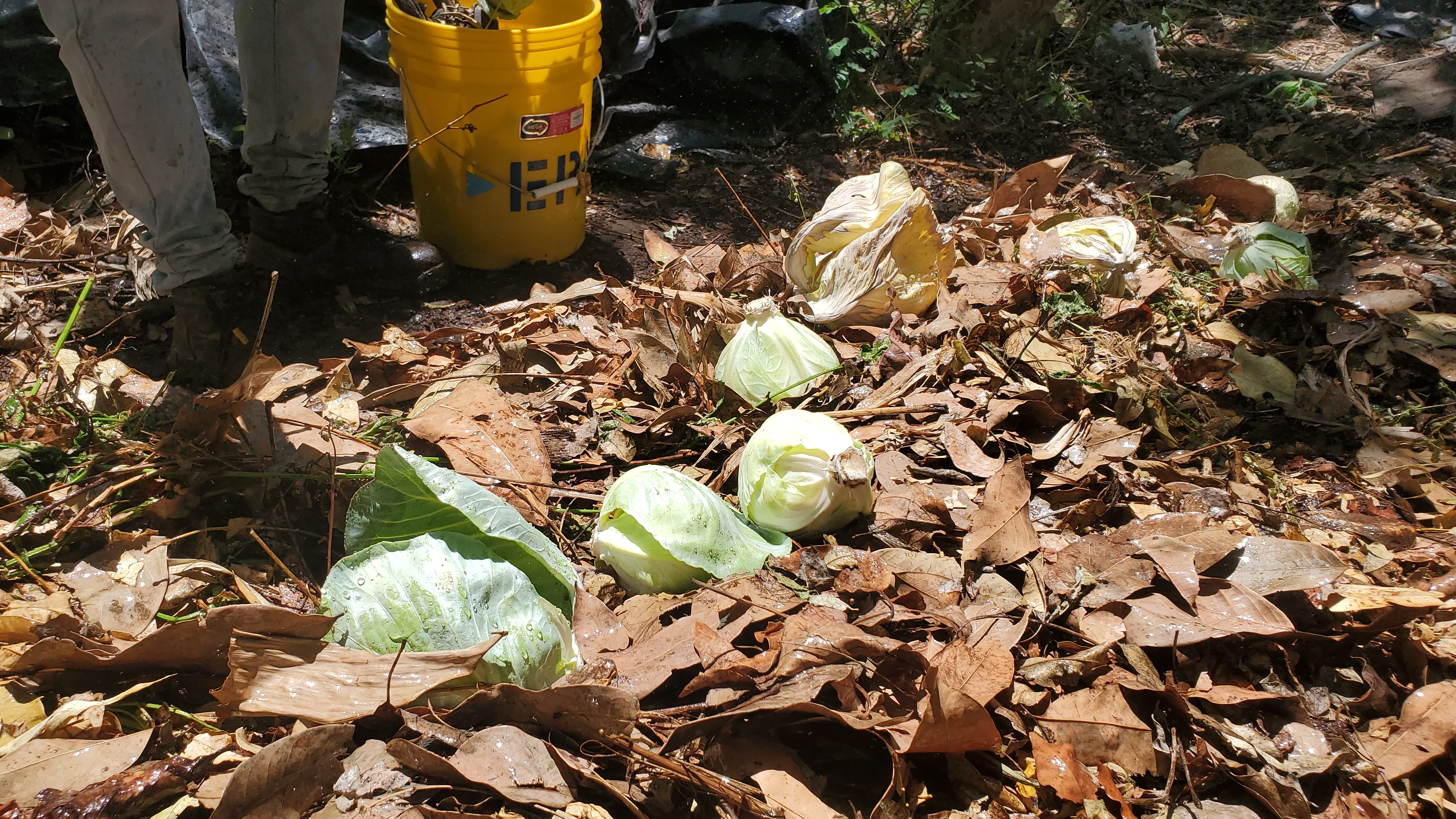
That's what happened to us with Mercado Verde, organized by the Comiendo Verde initiative. They did respond to us and we already had a spot secured. But the fixed market fee, combined with transportation costs, didn't match what we expected to generate. It wasn't a rejection on their part — on the contrary, the initiative is excellent and we hope to have our own spot there when production justifies it. Simply, the numbers didn't add up yet.
The alliance with Norma and La Casa Verde
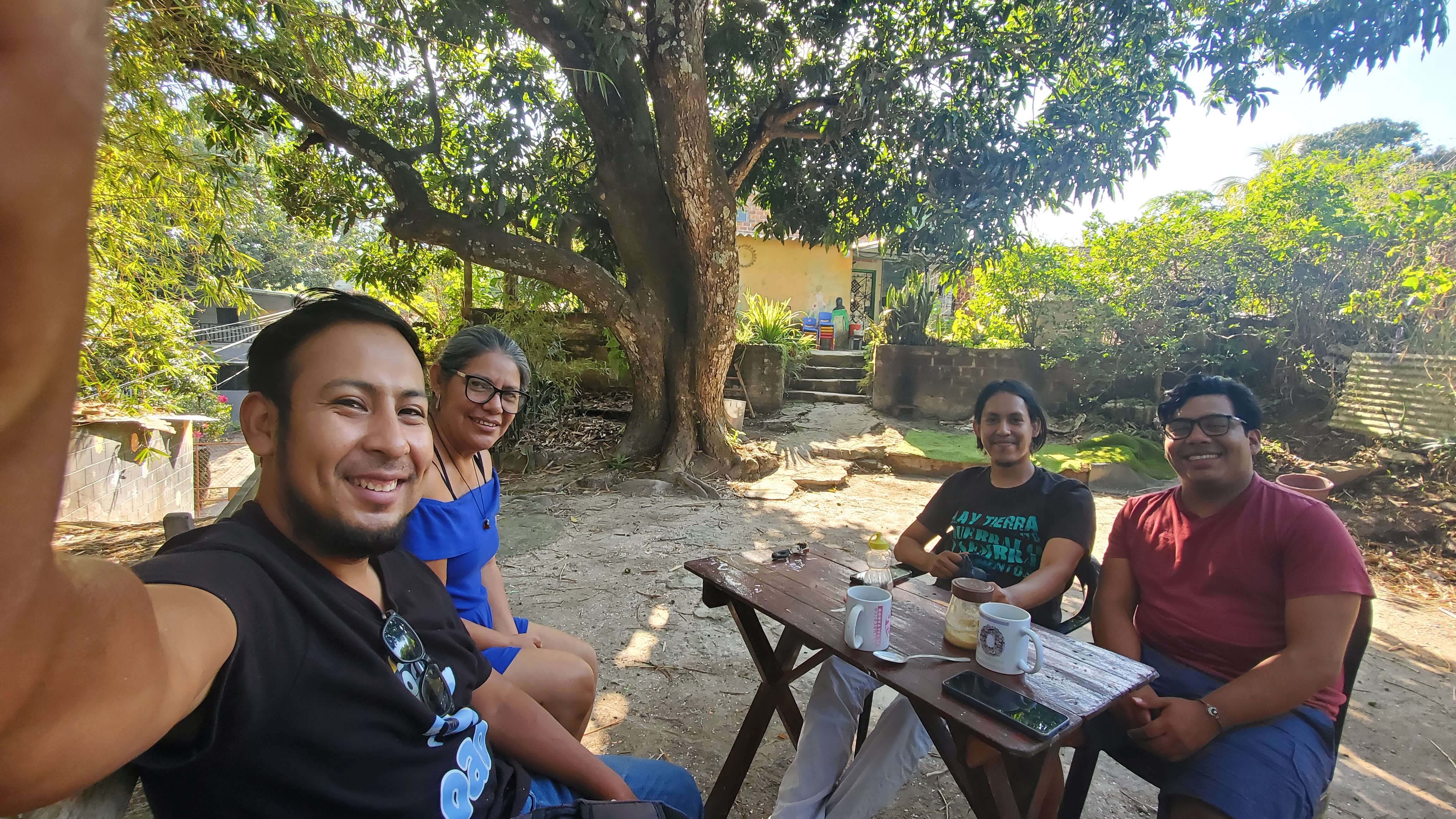
The solution we found for now came through Mauricio, who connected us with Norma, the leader of a non-profit organization in Santo Tomás called La Casa Verde. The organization works with children on education about nature, agroecology, and land care.
The agreement is straightforward: we deliver our production to her, and she redistributes it where she sees fit. This week, for example, we delivered cherries and Japanese cashew — two fruits that the farm naturally produces and that would be lost without a combing system.
The value of this alliance is not just the logistics. It's that the production is reaching someone who understands the value of what we're doing and who already has channels to place it.
What it means to delegate sales
It's not that we couldn't sell ourselves. In fact, we've considered dedicating one fixed day a week exclusively for that.
What changes when you delegate is the fluidity. The work is better distributed among more people, everyone does what they know how to do, and the team on the farm can stay focused on producing quality instead of splitting energy between growing and selling.
The long-term vision
What we're building is not just a sales system. It's a distribution model that we want to have several layers:
Direct delivery for people who want to receive products at home. Presence in green markets once production is consistent. And what excites me the most: subscription-based agroecological baskets, where people periodically receive a selection of what's available on the farm at that time.
The idea of the subscription has something I find powerful: it turns consumers into part of the cycle. They're not buying a generic product, they're receiving what the land produced that week, in its freshest state, grown without chemicals and with microscope analyses that support soil quality.
We're still in the process of building that productive consistency that makes it possible. But the direction is clear.
Would you like to receive a basket of products from Finca Amaviora? Leave us your contact and we'll let you know when we have availability.