MUSHROOMS
Four Days, a Roller Coaster, and a Mycelium That Knows Where It's Going
6 min read
What are the first 4 days like for a person who starts microdosing?
The client's name was changed to "Lisbeth" to protect her privacy. She is aware of this article and authorized her experience to be shared.
It was late. My family had been sick all day — flu, the kind of thing that keeps you moving from room to room with warm water and lots of love — and only when the house was quiet could I sit down to read the message Lisbeth had sent me.
I stared at the screen for quite a while.
Not because it was dramatic. But because it was unusual, in the best sense. Because in almost all the time I've been working with people starting a process with psilocybin mushrooms, most send me a voice message at the end of the week, something like "hey, it went well, I felt weird on day two but that's it", and that's it. Lisbeth, on the other hand, sent me a diary. Day by day. With details, physical sensations, with the uncomfortable moments that most prefer not to mention. That's not common. And when someone does that, the work changes completely.
A bit of context: what we're talking about
I've been working with functional and entheogenic mushrooms for a while. Specifically with Hericium erinaceus (Lion's Mane) for cognitive support, and with psilocybin mushrooms for deeper processes of introspection and neuroplasticity. I'm not a doctor, I don't have a university degree in this. What I have is personal experience, a lot of self-taught study, and the guidance of great mycologists who have dedicated their lives to understanding these organisms.
The protocol I use with my clients — two days of dosing, one day of rest — is not something I invented. It's documented in mycological literature and I've adjusted it over time based on what people tell me. Each process is different. Each brain responds differently. That's why follow-up is so important.
Lisbeth came to me after having come out of a depression process. She had already done the hard work. What she was looking for was a boost — a boost, as she herself called it — to find direction. Purpose. That north that you sometimes know exists but can't quite see clearly.
We had only been working together for a week when she sent me that message.
The four days
What Lisbeth described was this:
Day 1: Gym, lots of energy, good mood, changes in perspective. And at the end of the day: intense mental fatigue and headache.
Day 2: Stayed home sewing on the machine. She was thinking about a person until she "resolved the knot of why she thought about them so much". A very sensitive day. Felt like crying. Cried. More headache.
Day 3: Gym without motivation, discouraged, sad. And in the midst of that state, a valuable insight: "I realized I thought a lot about others and will start thinking more about myself". In the afternoon went for a run, the energy changed, and couldn't sleep until 3 in the morning.
Day 4: A dream that moved her emotionally. General fatigue. Took her dose.
What I told her, and why
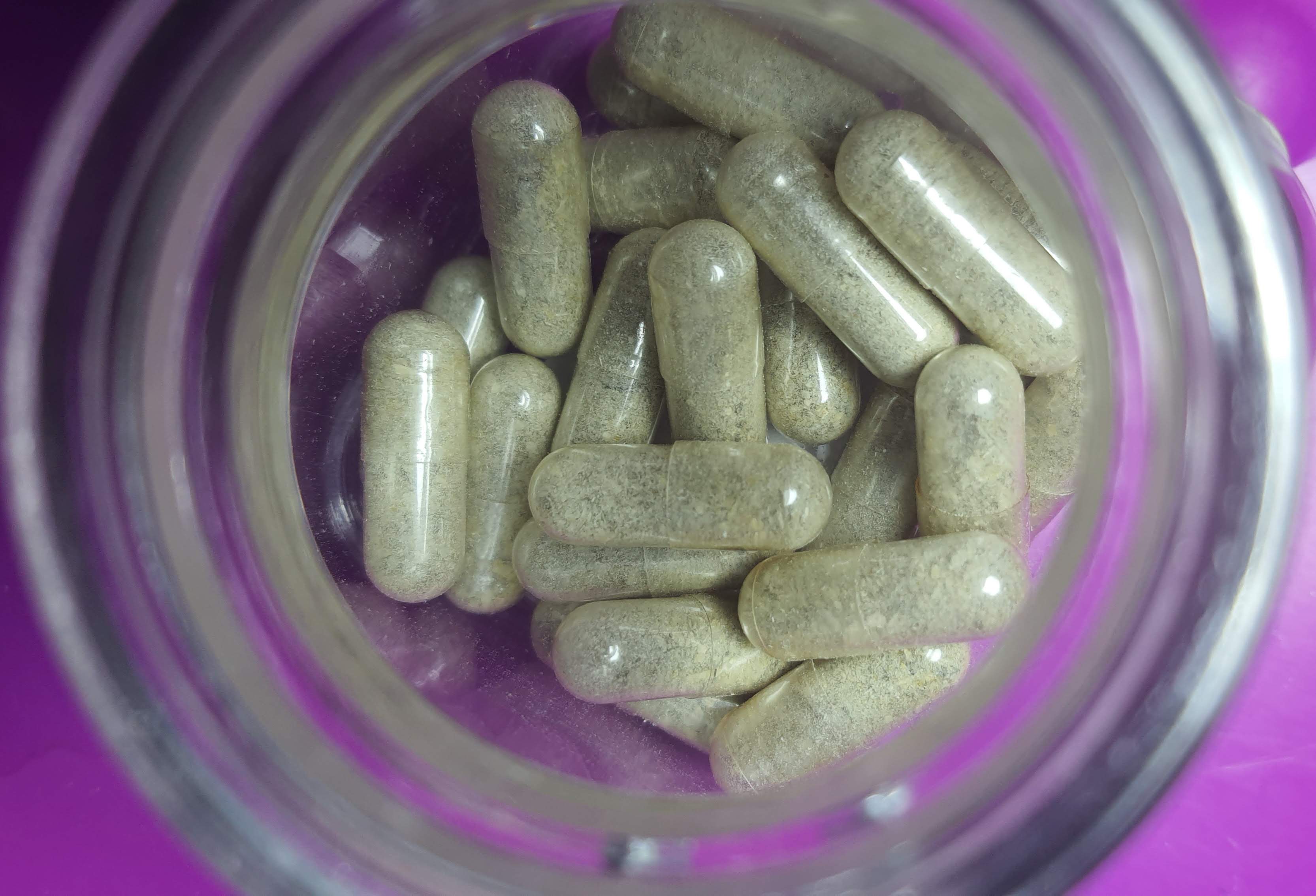
When I replied to Lisbeth that night, I explained that the mental fatigue she felt was completely normal. Not because it's a comforting line from a manual, but because I know it from the inside: when I take the capsules, I feel a slight fatigue during the day, but when I sleep after taking them, I wake up as if I had slept twice the hours I actually did. There's something the brain does in that state that it doesn't do in ordinary sleep. And it makes sense: psilocybin activates neuroplasticity processes — literally, neurons are forming new connections, reconfiguring pathways — and that has a real energy cost. Fatigue is not a sign that something is wrong. It's a sign that something is happening.
The same with the crying on day two. I told her it was very good that she cried. And I say this from something I learned through Bashar — an entity channeled by Daryl Anka, whose perspective on consciousness and emotions I find genuinely useful — who describes crying as the way the physical body releases, through chemicals, patterns from the past. Every time we cry, we are making room for something new. It doesn't feel nice at the moment. But after that kind of crying, you always feel a little lighter.
And the insight on day three — that "I'll start thinking more about myself" — seems to me one of the most important a person can have. There's a deeply rooted confusion in our culture between selfishness and self-care. Selfishness has to do with the ego, with the small self that asserts itself at the expense of others. Self-care has to do with the true self, the one that knows what it needs to be well and, precisely because of that, can be better for those around it. When you think about yourself, you're not taking anything away from anyone. Quite the opposite.
What this exchange taught me the most
There's something I want to say to anyone thinking of accompanying someone in a process like this, or thinking of starting one:
The transformation process is not a linear climb.
Most people imagine personal change as climbing a mountain: constant effort, increasing height, visible progress. And when a day of discouragement comes, of sadness without apparent reason, of not wanting to get up, they interpret it as failure. As if something is wrong.
It's not like that. It's never like that.
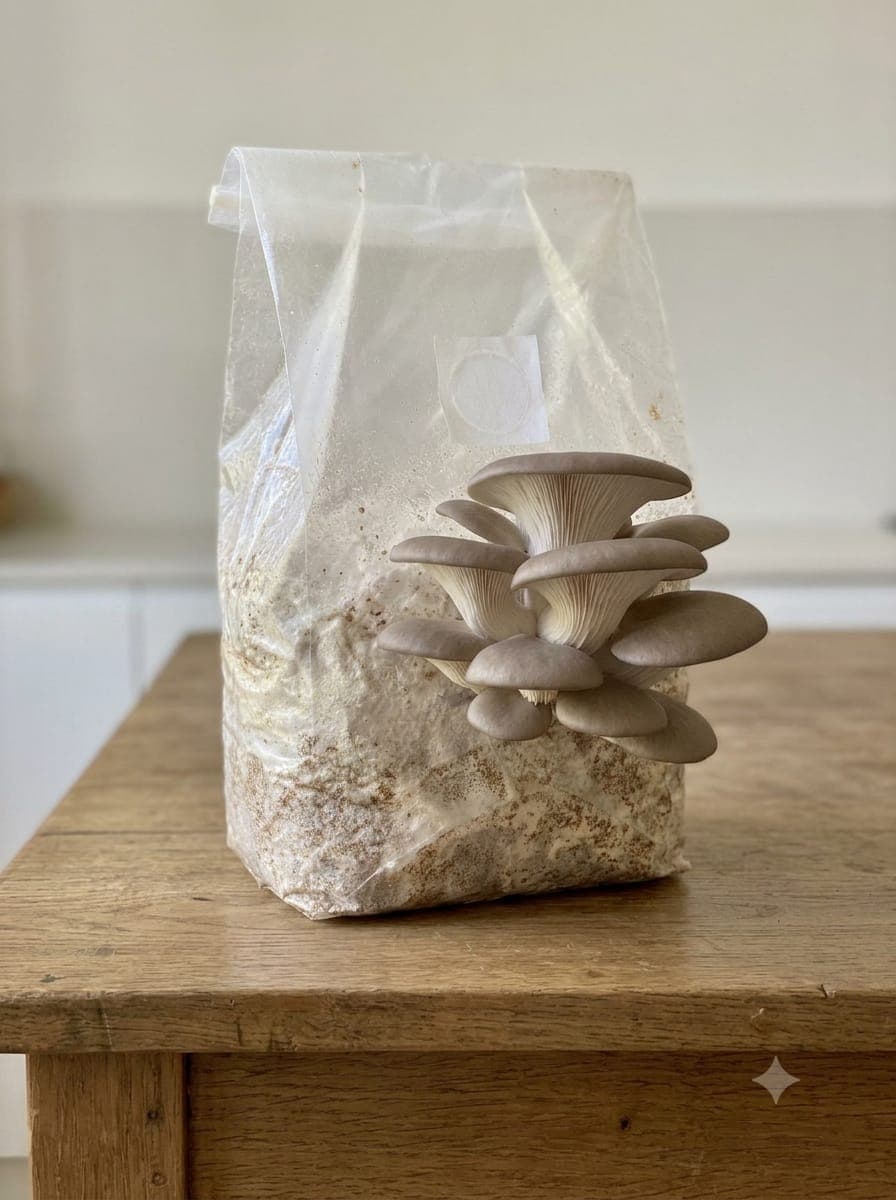
I think of the mycelium. The fungal network that grows underground doesn't advance in a straight line. It goes around obstacles, branches out, goes where it seems to make no sense to go — and reaches exactly where it needs to be. The visible path from the outside doesn't look like a staircase. It looks like a network. And the network doesn't fail: it just grows differently.
Lisbeth's four days were like that. A day of overflowing energy followed by one where she didn't want to leave her house. A deep insight followed by a sleepless night. A roller coaster, yes. But each car of that roller coaster was going in the right direction.
What I most appreciate about Lisbeth is that she trusted enough to write it all down. The details that seemed insignificant to her — that she was sewing, that she resolved a knot thinking about someone, that the afternoon of day three was different from the morning — are exactly the details that allow me to accompany her well.
We don't need to have everything clear to move forward. We need to trust the process and, from time to time, write down what we feel.
That too is part of healing.
Are you thinking of starting a process with entheogenic mushrooms or want to know more about how I work? You can write to me directly.